


Explore the transformative power of emerging technology and innovations like IoT, AI, and Blockchain in expediting and monitoring industrial processes. Discover how advanced analytics and predictive modeling drive proactive decision-making for efficient operations. Stay ahead with our insights on technology and innovations in industrial services.
Table of Contents
In a world where industrial operations are continually evolving, the importance of efficient vendor management in expediting and monitoring services cannot be overstated. Embracing the cutting-edge technologies and innovations that drive this evolution is the key to success.
This article delves into the transformative role of emerging technologies, the integration of advanced analytics and predictive modeling, and presents inspiring case studies of successful implementation.
A. Role of Emerging Technologies in Expediting and Monitoring in the Industrial Sector
In today’s fast-paced industrial landscape, effective vendor management is crucial to ensure smooth operations and timely deliveries.
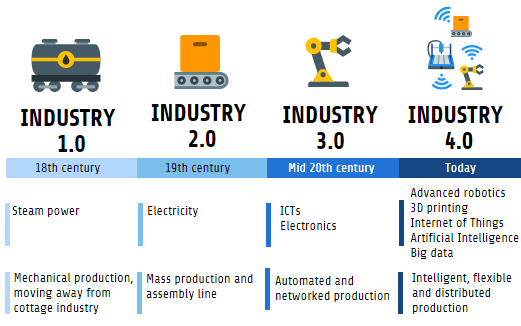
(Source: https://www.linkedin.com/pulse/difference-between-industry-30-40-ahmed)
The integration of emerging technologies, such as the Internet of Things (IoT), Artificial Intelligence (AI), and blockchain, has brought unprecedented advancements to the realm of expediting and monitoring services in vendor management.
Let’s explore how these technologies are revolutionizing the vendor management landscape and providing valuable insights and data-driven decision-making.
1. Internet of Things (IoT)
The Internet of Things (IoT) has revolutionized the way businesses operate, introducing transformative possibilities that extend into the realm of vendor management.
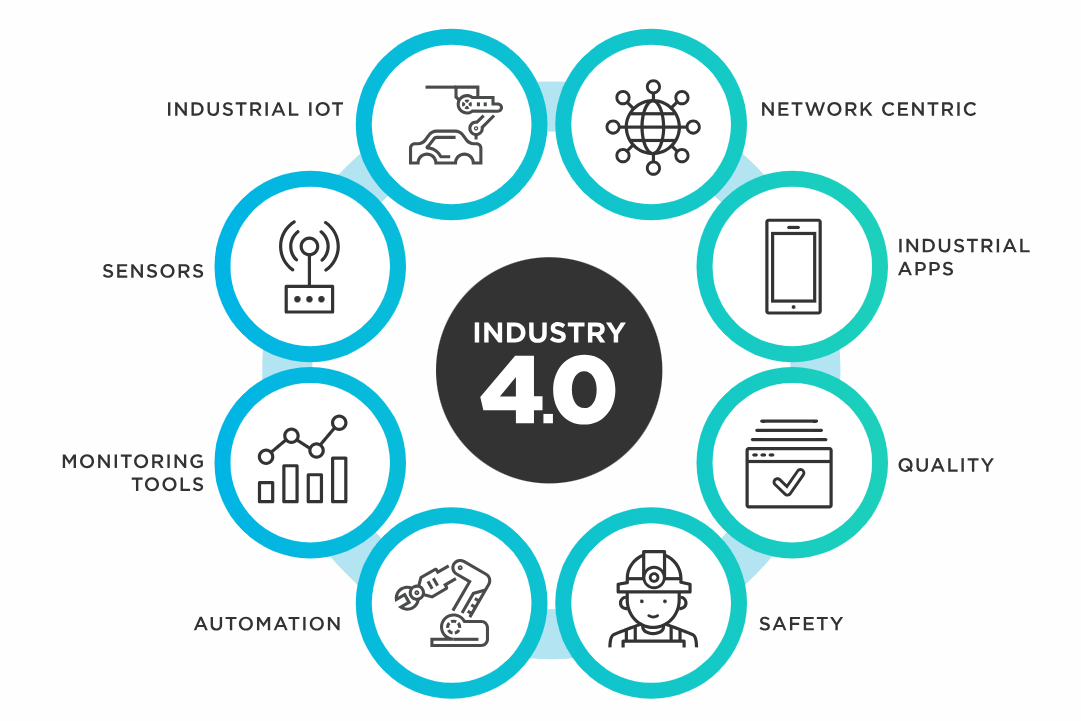
(source: https://www.tibco.com/reference-center/what-is-iiot)
Leveraging sensors and Internet-connected devices, IoT opens up entirely new avenues for seamless tracking, efficient expediting, and real-time monitoring of supply chain operations.
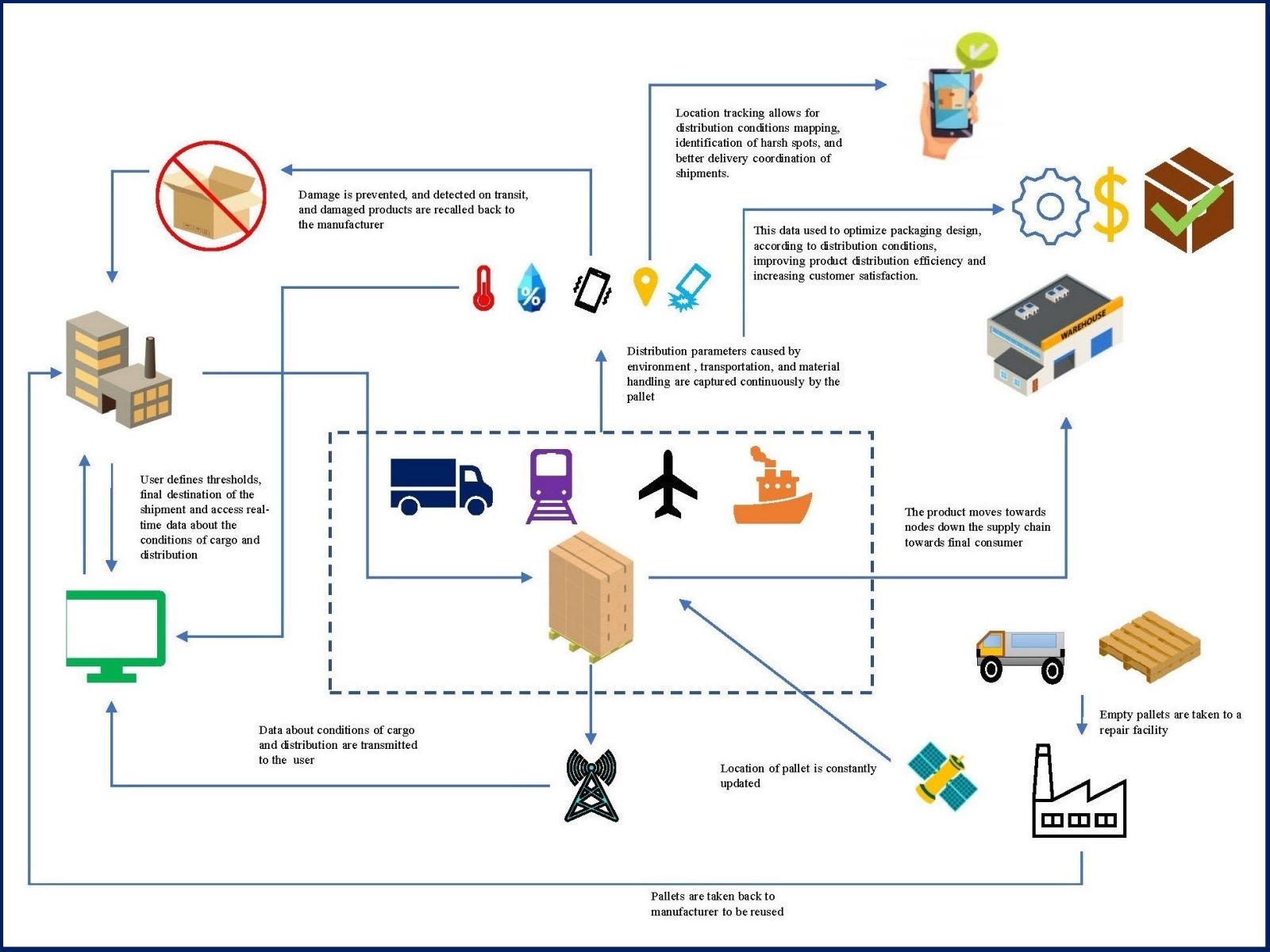
Seamless Tracking and Monitoring
One of the key benefits of IoT in vendor management is its ability to enable seamless tracking of individual components and products throughout their journey.
Whether transported by ships, planes, or trucks, IoT sensors provide real-time insights into the location, condition, and status of goods in transit.
This level of visibility allows businesses to proactively optimize delivery routes, anticipate potential delays, and promptly address any disruptions, ultimately leading to expedited services and improved customer satisfaction.
Enhanced Supply Chain Visibility
IoT sensors play a pivotal role in enhancing supply chain efficiency, providing invaluable data on various aspects of the vendor network.
For instance, within a factory, IoT-enabled devices can weigh all the parts in an inventory bin, providing real-time inventory data.
This level of visibility empowers businesses to optimize inventory management, maintain optimal stock levels, and reduce waste.
In the context of a retail store, IoT sensors can monitor the stock of sweaters in the stockroom, ensuring that the store remains well-stocked and can meet customer demands promptly. The result is an unparalleled level of supply-chain efficiency and inventory management, reducing operational costs and enhancing overall productivity.
Data-Driven Decision-Making
IoT’s real-time data collection capabilities enable businesses to make data-driven decisions in vendor management. By analyzing historical data, performance trends, and other relevant metrics, businesses can identify areas for optimization and implement proactive measures to expedite services.
For instance, an industrial manufacturer can use data from IoT sensors installed on production machinery to predict maintenance requirements, reducing production downtime and enhancing overall operational efficiency.
Efficient Inventory Management
IoT-enabled sensors in inventory bins provide real-time information on stock levels and product movement. This visibility enables businesses to optimize inventory management, ensuring essential items’ availability while minimizing excess stock.
Efficient inventory management leads to improved supply chain efficiency, reduced holding costs, and better cash flow management.
Proactive Issue Resolution
In the event of disruptions or deviations from the planned schedule, IoT-enabled vendor management systems can automatically trigger alerts and notifications.
For instance, if a shipment faces unexpected delays, the system can notify relevant stakeholders, enabling them to take immediate action to resolve the issue. This proactive approach helps mitigate potential risks and ensures smooth operations.
Predictive Maintenance for Enhanced Equipment Health:
IoT devices equipped with sensors continuously monitor critical equipment’s health and performance within industrial facilities.
By collecting data on parameters like temperature, pressure, and vibration, IoT provides insights into equipment conditions.
With real-time data, businesses can detect anomalies and proactively address potential issues, avoiding costly breakdowns and downtime.
According to McKinsy, the application of this technology can reduce maintenance costs by up to 25%, cut unplanned outages by up to 50%, and extend the lives of machines by years. (Source: https://www.mckinsey.com/mgi/overview/in-the-news/by-2025-internet-of-things-applications-could-have-11-trillion-impact)
Optimized Supply Chain and Logistics:
In the logistics and supply chain domains, IoT devices are extensively used to track shipments, monitor inventory levels, and optimize routes.
This ensures that goods reach their destination on time, while minimizing transportation costs and enhancing overall efficiency.
Predictive Maintenance:
IoT-enabled predictive maintenance is a game-changer for industries, particularly in heavy machinery and manufacturing sectors.
By analyzing historical data and performance patterns, AI-driven algorithms can predict when equipment is likely to fail.
This allows businesses to schedule maintenance before breakdowns occur, reducing unplanned downtime and saving on maintenance costs.
Statistical Insight:
In a research for the McKinsey Global Institute, they looked at more than 150 specific IoT applications that exist today or could be in widespread use within 10 years and estimate that they could have a total economic impact of $3.9 trillion to $11.1 trillion per year in 2025.
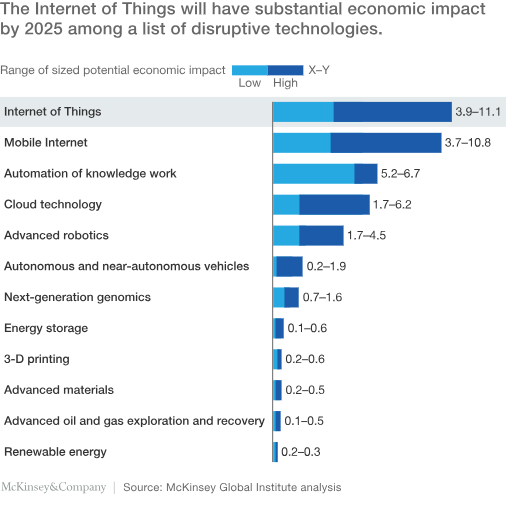
They also found that more than two-thirds of value will be generated in business-to-business settings and that business customers and consumers will likely capture more than 90% of the value created. (Source: https://www.mckinsey.com/mgi/overview/in-the-news/by-2025-internet-of-things-applications-could-have-11-trillion-impact)
Embracing the power of IoT in vendor management, businesses can unlock unparalleled efficiency, enhance supply chain visibility, make data-driven decisions, and proactively maintain equipment health.
As IoT continues to shape the industrial landscape, its integration in vendor management becomes an indispensable competitive advantage, leading to seamless operations and exceeding customer expectations.
2. Artificial Intelligence (AI)
In the ever-evolving industrial sector, Artificial Intelligence (AI) stands out as a game-changer in vendor management, offering businesses a wealth of intelligent insights and predictive capabilities.
AI plays a pivotal role in revolutionizing vendor management processes, optimizing supply chain operations, and expediting services with remarkable efficiency.
Empowering Intelligent Insights and Predictive Capabilities
AI-driven analytics possesses the ability to process vast amounts of data, identify patterns, and uncover actionable insights.
As revealed by a survey conducted by Deloitte, 61% of supply chain executives firmly believe that AI and machine learning will significantly impact their operations, affirming the transformative potential of AI in vendor management. (source:https://www2.deloitte.com/us/en/pages/consulting/articles/ai-in-supply-chain.html)
Data-Driven Decision-Making
AI makes a remarkable contribution to vendor management by enabling data-driven decision-making. Through the analysis of historical data, market trends, and vendor performance metrics, AI algorithms provide valuable recommendations and insights, empowering businesses to make informed and optimized decisions.
Optimized Inventory and Procurement Processes
In the context of the industrial sector, efficient inventory management is crucial for streamlined operations and cost savings.
AI-powered analytics excels at forecasting demand fluctuations and optimizing inventory levels, ensuring a delicate balance between maintaining adequate stock levels and avoiding overstocking or stockouts.
For instance, a manufacturing company integrated AI-powered analytics into its vendor management system. The AI system effectively analyzed historical sales data, seasonal patterns, and market trends to predict future demand. As a result, the company achieved optimal stock levels, reducing holding costs and enhancing working capital management. By having the right inventory on hand when needed, the company could expedite production and meet customer demands promptly.
Vendor Performance Assessment
AI’s capability to process vast amounts of data extends to assessing and monitoring vendor performance. Through AI-driven analytics, businesses can evaluate vendors based on various parameters, such as delivery time, product quality, and compliance with contractual terms.
By objectively measuring vendor performance, businesses can identify high-performing vendors, fostering stronger partnerships, and identify areas for improvement, thereby enhancing the overall efficiency of the vendor network.
Also read: Efficient Vendor Management through Expediting and Monitoring in International Shipments
Predictive Maintenance for Enhanced Efficiency
In addition to optimizing inventory, AI also contributes to predictive maintenance, a crucial aspect of efficient vendor management in the industrial sector. By analyzing real-time data from IoT-enabled sensors on machinery and equipment, AI algorithms can predict potential equipment failures. This proactive approach allows for scheduled maintenance before breakdowns occur, minimizing unplanned downtime, reducing maintenance costs, and ensuring uninterrupted operations.
As businesses embrace the transformational capabilities of AI in vendor management, they open the doors to intelligent insights, efficient decision-making, and proactive approaches. The integration of AI-driven analytics in the industrial sector can optimize inventory and procurement processes, assess vendor performance, and facilitate predictive maintenance.
This AI-driven revolution enhances the efficiency and reliability of vendor management, ultimately propelling businesses towards expediting services and staying ahead in the dynamic landscape of the industrial sector.
3. Blockchain
Blockchain technology, renowned for its secure and tamper-proof nature, has emerged as a powerful ally in vendor management, transforming the way businesses operate within the industrial sector.
With its ability to ensure transparent supplier networks, enable smart contracts, and offer product traceability, blockchain fosters an environment of enhanced trust and accountability—essential pillars for seamless global supply chains.
Transparent Supplier Networks:
In vendor management, establishing transparent supplier networks is a vital aspect that directly impacts supply chain efficiency.
Traditionally, supply chain partners rely on separate and often disparate record-keeping systems, leading to information silos and potential data discrepancies.
Blockchain provides an immutable and shared ledger accessible to all authorized stakeholders, enabling real-time updates and a single version of truth across the entire vendor network.
Through blockchain, businesses can gain a comprehensive view of their vendor relationships, monitor supplier performance, and track contract compliance with ease.
This transparency fosters collaboration, eliminates information asymmetry, and builds robust partnerships based on shared information and mutual understanding.